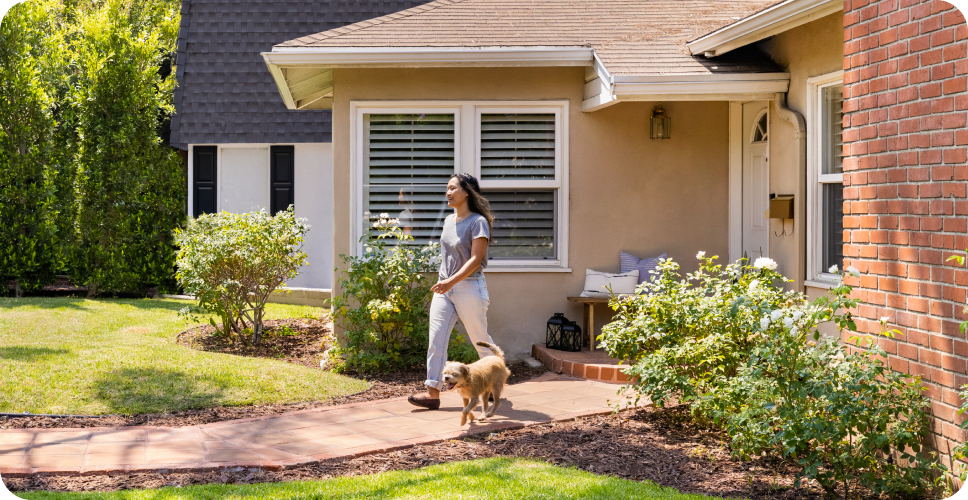
Get an offer with a click of a button!
Sell your home directly to Opendoor, so you can skip all the hassle and months of uncertainty. Simply enter your address – and get our offer with a few simple steps.
Why Home Selling Mistakes Cost You More Than You Think
Selling a home is one of the largest financial transactions most people will ever make — and the margin for error is slim. According to the National Association of Realtors (NAR), the typical home seller in 2024 received a median sale price of $361,000, but avoidable missteps can shave tens of thousands off that number before you ever reach the closing table.
Whether you're a first-time seller or have been through the process before, knowing what not to do when selling your house is just as important as knowing the right steps. From overpricing to poor photos to letting emotions steer negotiations, home seller mistakes add up quickly — and many of them are entirely preventable.
In this guide, we'll walk through 10 of the most common (and costly) mistakes to avoid when selling a house, explain exactly why each one backfires, and give you a clear action plan so you can sell your house with confidence.
Mistake #1 — Overpricing Your Home
Of all the home selling mistakes that cost money, overpricing is the most common — and the most damaging. It feels counterintuitive: shouldn't you aim high and negotiate down? In practice, the opposite is true.
Why Overpricing Backfires
When you list your home above fair market value, you immediately shrink your buyer pool. Buyers who can afford your home see better options at the same price, and buyers searching in lower price brackets never see your listing at all.
The result is a stale listing. According to Zillow research, homes that undergo a price reduction after listing sell for an average of 2–3% less than comparable homes that were priced correctly from the start. Those extra days on market also raise red flags for buyers, who wonder what's wrong with the property.
This triggers what agents call the "price-reduction spiral": you drop the price, buyers wait to see if it drops again, and the home stagnates while fresh inventory draws attention away. A home that could have sold in two weeks at $400,000 may ultimately close at $380,000 — or lower — after sitting for 90 days.
What to Do Instead
- Get a comparative market analysis (CMA). Ask your agent to pull recent comparable sales — not just active listings — within a half-mile radius. If you want a head start, learn how to determine your home's value before your first agent meeting.
- Study the competition. Visit open houses in your neighborhood. See what buyers get at your target price point.
- Consider pricing slightly below market value. In competitive markets, this strategy can generate multiple offers and drive the final sale price above asking.
- Be honest about condition. Your home's upgrades from 2015 may not carry the same weight in 2026. Price for what the market will bear today, not what you spent over the years.
Mistake #2 — Skipping Home Staging
An empty or cluttered home makes it harder for buyers to picture themselves living there — and that disconnect costs sellers real money.
The Data Behind Staging
The numbers are clear. According to the NAR 2023 Profile of Home Staging, 81% of buyers' agents said staging made it easier for their clients to visualize a property as their future home. Among sellers' agents who reported a change in dollar value, 23% said staging increased offers by 1–5% compared to similar unstaged homes. On a $400,000 sale, that's $4,000–$20,000 left on the table.
The same report found that 48% of sellers' agents believed staging decreased time on market. Fewer days listed means fewer carrying costs (mortgage payments, utilities, insurance) and less risk of a price reduction.
Staging Options for Every Budget
Staging doesn't have to mean spending $5,000 on rented furniture. Here are three tiers:
- Full professional staging ($1,500–$5,000+): Ideal for vacant or luxury properties. A staging company furnishes and decorates key rooms to highlight the home's best features.
- Virtual staging ($100–$400 per photo): Digitally furnished photos added to your online listing. A cost-effective option that enhances listing photos without the physical setup.
- DIY decluttering and refreshing (minimal cost): Remove personal items, deep clean every surface, add fresh flowers, and use neutral tones. This alone can be transformative. For a detailed room-by-room walkthrough, see our guide on how to prepare your house for sale.
Whichever route you choose, focus on the living room, kitchen, and primary bedroom — the three rooms that NAR's staging report identifies as most important to buyers.
Mistake #3 — Ignoring Necessary Repairs
Hoping buyers won't notice the slow drain, the cracked grout, or the temperamental HVAC unit? They will — and their inspector definitely will. Unresolved maintenance issues give buyers leverage to demand credits, renegotiate the price, or walk away entirely.
Must-Fix Issues That Kill Deals
Some problems are deal-breakers for lenders and buyers alike. Address these before listing:
- Roof damage or age: A roof nearing the end of its lifespan will surface in every inspection. Replacing or repairing it now prevents last-minute renegotiations. Learn more about whether a new roof increases home value.
- HVAC failure: A non-functioning heating or cooling system can stall financing, especially for FHA and VA loans.
- Plumbing leaks and water damage: Even minor leaks signal bigger problems to buyers. Active water damage can torpedo a deal entirely.
- Electrical issues: Outdated wiring (knob-and-tube, aluminum) or missing GFCI outlets in kitchens and bathrooms are safety red flags.
- Foundation cracks or structural concerns: These trigger the most fear in buyers and often lead to canceled contracts.
High-ROI Cosmetic Fixes
Not every repair needs to be major. Small cosmetic updates deliver outsized returns:
| Fix | Estimated Cost | Typical Impact |
|---|---|---|
| Fresh interior paint (neutral colors) | $1,500–$4,000 | Among the highest-ROI improvements; refreshes every room |
| Updated light fixtures and hardware | $200–$800 | Modernizes the home for minimal investment |
| Landscaping cleanup | $500–$2,000 | Boosts first impressions dramatically |
| Professional deep cleaning | $300–$600 | Makes the home feel newer and better maintained |
| Minor flooring repairs | $500–$2,500 | Eliminates a common buyer complaint |
For a complete room-by-room breakdown, check out our list of things to repair before selling a house and home improvements that increase value.
Mistake #4 — Choosing the Wrong Real Estate Agent
Your agent is your pricing strategist, marketing director, and lead negotiator rolled into one. The wrong hire can mean a lower sale price, a longer timeline, and a frustrating experience from start to finish.
How to Vet an Agent
Don't just go with the first name a friend mentions. Interview at least three agents and evaluate them on:
- Local track record: How many homes have they sold in your neighborhood in the past 12 months? What was the average sale-to-list price ratio?
- Marketing plan: Ask specifically how they'll market your home — professional photography, social media, open houses, broker tours, paid online advertising.
- Communication style: How often will they provide updates? Will you work directly with them or be passed to an assistant?
- Pricing approach: A great agent will present data and challenge your assumptions. Be cautious of anyone who simply agrees with whatever price you suggest.
- Commission structure: Understand what you'll pay and what services are included. Our breakdown of who pays real estate agent commission explains the details.
For a deeper list of what to ask, see questions to ask a realtor when selling your home.
Red Flags to Watch For
- No online presence or digital marketing plan. Over 95% of buyers use the internet to search for homes. An agent who can't market online is a liability.
- Unrealistic price promises. An agent who quotes the highest price to win your listing — without data to back it up — is setting you up for overpricing (see Mistake #1).
- Poor responsiveness. If they're slow to return your calls during the interview stage, expect the same (or worse) once you've signed.
- Pressure to sign a long listing agreement without an exit clause.
Not ready to work with a traditional agent? Explore how selling to Opendoor compares to a traditional home sale to see whether a direct offer might be a better fit.
Mistake #5 — Rejecting the First Offer
It's tempting to hold out. The first offer arrives and you think, "If someone is willing to pay this much on day one, surely a higher offer is right around the corner." More often than not, that logic backfires.
Why the First Offer Is Often the Best
The first serious buyer to make an offer is typically the most motivated — they've been watching the market, they're pre-approved, and they're ready to act. Industry experience shows that first offers frequently come in within 3–5% of the final sale price, and in many cases are the strongest offer a seller receives.
The longer your home sits on the market, the weaker your negotiating position becomes. Buyers who see a listing has been active for weeks start to wonder why the house isn't selling and adjust their offers downward accordingly.
How to Counter Instead of Reject
Rejecting an offer outright closes the door. Countering keeps it open. Smart strategies include:
- Negotiate on terms, not just price. A faster closing date, fewer contingencies, or an as-is clause can be worth thousands even if the headline number is slightly lower.
- Respond quickly. A prompt counteroffer signals seriousness and keeps the buyer engaged.
- Understand the buyer's position. A cash offer at 95% of asking price may net you more than a financed offer at 100% that falls apart during appraisal.
- Let your agent advise you. Their market knowledge is invaluable here — especially if they've seen what comparable homes ultimately close for.
Mistake #6 — Neglecting Curb Appeal
A buyer's opinion of your home starts forming the moment they pull up to the curb — or the moment they see the first exterior photo online. If the outside looks neglected, many buyers won't bother going inside.
First Impressions Start at the Curb
According to the NAR 2022 Remodeling Impact Report, exterior projects consistently rank among the highest in cost recovery. A new garage door, for example, recovers roughly 100% of its cost at resale, while standard landscaping projects recover 75–100% depending on scope.
Curb appeal also affects online engagement. Listing photos lead with the exterior, and a tired-looking front can cause buyers to scroll past before they ever see your renovated kitchen.
Quick Curb Appeal Wins
You don't need a full exterior renovation. High-impact, low-cost updates include:
- Refresh landscaping: Trim overgrown shrubs, add fresh mulch, and plant seasonal flowers near the entryway. Budget: $200–$1,000.
- Paint or replace the front door: A bold, freshly painted door is one of the most cost-effective curb appeal upgrades. Budget: $50–$300 for paint; $500–$2,000 for a new door.
- Power wash everything: Driveway, walkways, siding, and porch. A clean exterior instantly looks newer. Budget: $100–$300 (rental) or $200–$500 (professional).
- Update exterior lighting: Replace dated fixtures with modern options. Well-lit entryways also improve safety and appeal for evening showings. Budget: $100–$400.
- Clean or replace house numbers and the mailbox: Small detail, big impact.
These small investments directly influence the factors that affect your home's value and can be completed in a single weekend.
Mistake #7 — Using Poor Listing Photos
In 2026, virtually every home search starts online. Your listing photos are your home's first showing — and if they don't impress, buyers will never schedule an in-person visit.
Why Professional Photos Are Non-Negotiable
A Redfin study found that homes photographed with professional-grade equipment and techniques generated significantly more online interest and sold faster than those with amateur images. Additional research by VHT Studios and the Wall Street Journal found that professionally photographed homes can sell for $934 to $116,076 more than expected — depending on the price bracket — largely because better photos drive more showings and more competitive offers.
What Great Listing Photography Includes
When you hire a professional real estate photographer ($150–$500 for a typical home), expect:
- Wide-angle shots that make rooms feel spacious and inviting
- Natural lighting — photos taken during the day with window light and supplemental flash
- Every room staged and decluttered before the camera comes out
- Exterior shots at golden hour for maximum warmth and appeal
- Drone or aerial photography for larger lots, waterfront properties, or homes with notable surroundings ($100–$250 add-on)
- 3D virtual tours — increasingly expected by buyers, especially out-of-town relocators
If your agent doesn't include professional photography in their marketing plan, consider that a red flag (see Mistake #4). If you want to move quickly and skip the photo prep, learn more about how to sell your house fast.
Get an offer with a click of a button!
Sell your home directly to Opendoor, so you can skip all the hassle and months of uncertainty. Simply enter your address – and get our offer with a few simple steps.
Looking to sell a home in Oregon? Opendoor makes selling simple in East Texas, Columbia, and Western — request a free, no-obligation cash offer.
Mistake #8 — Being Inflexible with Showings
You've listed your home, the photos look great, and buyer interest is rolling in. But if you're turning down showing requests because the timing isn't convenient, you're turning