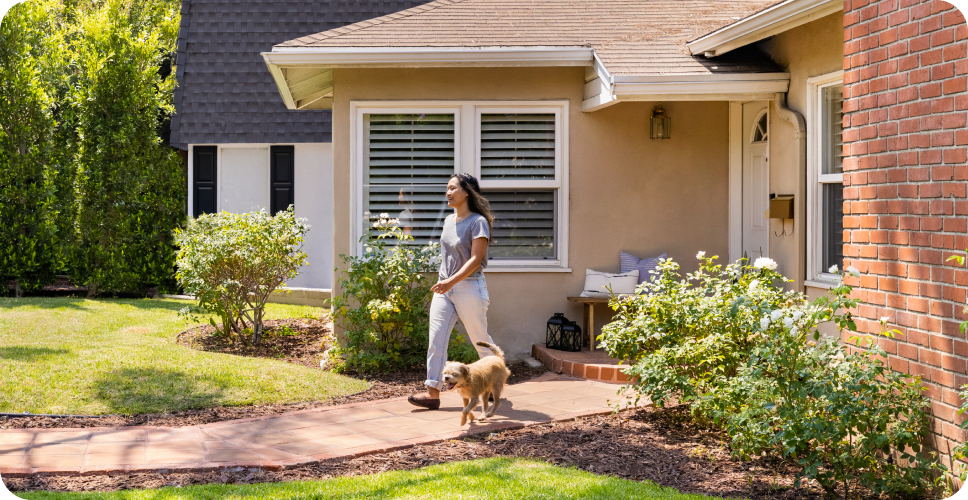
Selling your first home is one of the biggest financial decisions you'll ever make — and it can feel overwhelming when you've never been on this side of a real estate transaction before. Whether you bought your home years ago and have built significant equity, or you're making a move after just a few years, the selling process comes with its own set of challenges, costs, and emotions that most first-time home sellers don't fully anticipate.
This guide is designed to walk you through everything you need to know about selling your first home. You'll find first-time home seller tips that cover pricing strategy, agent selection, staging, and negotiation, along with a breakdown of what it costs to sell, common mistakes to avoid, and a step-by-step checklist you can reference from listing day through closing. Consider this your complete roadmap for a smoother, more confident sale.
Get an offer with a click of a button!
Sell your home directly to Opendoor, so you can skip all the hassle and months of uncertainty. Simply enter your address – and get our offer with a few simple steps.
What to Expect When Selling Your First Home
If you've only experienced real estate as a buyer, the seller's journey may surprise you. Understanding the process upfront helps you plan better, stress less, and make sharper decisions at every stage.
The Home Selling Timeline
From the moment you decide to sell to the day you hand over the keys, expect the process to take roughly two to six months. Here's a general breakdown:
- Pre-listing preparation (2–6 weeks): Research your home's value, interview agents, make repairs, declutter, and stage.
- Active listing period (1–8 weeks): Your home goes live on the MLS. Showings, open houses, and — ideally — offers start coming in. According to the National Association of Realtors (NAR), the median time on market for U.S. homes has ranged between three and five weeks in recent years, though this varies significantly by local conditions.
- Under contract to closing (30–60 days): Once you accept an offer, the buyer conducts inspections, secures financing, and the title company prepares for closing. Learn more about how long closing typically takes.
Key Players in the Selling Process
You won't be doing this alone. Here are the people you'll likely work with:
- Listing agent: Manages pricing, marketing, negotiations, and paperwork.
- Buyer's agent: Represents the other side of the transaction.
- Home inspector: Evaluates the condition of your property on behalf of the buyer.
- Appraiser: Confirms the home's value for the buyer's lender.
- Title/escrow company: Handles document preparation, fund transfers, and the official closing.
Familiarizing yourself with key real estate terms before you start will make conversations with these professionals far less confusing.
10 Essential Tips for First-Time Home Sellers
1. Understand Your Local Market Before You List
Your home doesn't sell in a vacuum — it sells in a specific neighborhood, in a specific market cycle. Before you do anything else, research whether you're in a buyer's market (more inventory, less competition among buyers) or a seller's market (low inventory, multiple-offer situations).
Look at comparable recent sales ("comps") in your area, average days on market, and current inventory levels. Your agent will provide a comparative market analysis (CMA), but doing your own homework helps you set realistic expectations. Understanding the factors that influence your home's value gives you a stronger starting position in pricing conversations.
2. Hire the Right Real Estate Agent
Not all agents are equal, and the right listing agent can make a meaningful difference in your final sale price and experience. Interview at least two or three agents before committing. Ask about their experience with homes in your price range, their marketing strategy, average days on market for their listings, and their communication style.
Prepare a shortlist of questions to ask a realtor when selling your home so you can compare candidates objectively. Pay attention to how well they listen, not just how well they pitch.
3. Set a Competitive Asking Price
Pricing is arguably the most important decision you'll make. Price too high and your home sits, accumulating days on market that make buyers suspicious. Price too low and you leave money on the table.
Your agent's CMA is the starting point, but also consider getting a professional estimate of your home's worth. The best pricing strategy accounts for recent comps, current competition, your home's condition, and how quickly you need to sell. In competitive markets, pricing slightly below market value can generate multiple offers and ultimately push the sale price higher.
4. Invest in Pre-Listing Repairs and Updates
Buyers notice deferred maintenance — and they'll either discount their offer or walk away entirely. Before listing, address obvious issues: leaky faucets, cracked tiles, peeling paint, broken fixtures, and any safety concerns.
You don't need a full renovation, but strategic updates pay off. According to the NAR's 2024 Remodeling Impact Report, projects like new hardwood flooring, updated insulation, and fresh interior paint consistently recoup a high percentage of their cost at resale. Review this list of things to repair before selling a house to prioritize your pre-listing budget.
5. Stage Your Home to Appeal to Buyers
Staging isn't about decorating to your taste — it's about helping buyers envision themselves in the space. This means decluttering aggressively, depersonalizing rooms (remove family photos and niche décor), and arranging furniture to highlight each room's function and flow.
According to the NAR's 2023 Profile of Home Staging, 81% of buyer's agents said staging made it easier for clients to visualize a property as their future home. You don't necessarily need a professional stager — even basic decluttering, deep cleaning, and neutral accents can make a significant impact. For a comprehensive approach, review how to prepare your house for sale.
6. Get Professional Listing Photos and Video
In 2026, the vast majority of buyers start their home search online, which means your listing photos are your first showing. Smartphone photos with poor lighting and awkward angles can cost you thousands in perceived value.
Hire a professional real estate photographer. The investment — typically $200–$500 — is one of the best returns in real estate marketing. Wide-angle lenses, proper lighting, and post-editing make rooms look brighter and more spacious. For higher-price listings, consider adding a virtual tour, drone footage, or a short video walkthrough to maximize online engagement.
7. Be Strategic About Your Listing Timing
When you list matters. Historically, spring and early summer see the highest buyer activity, though the best time to sell a house varies by region and market conditions.
Beyond seasonality, consider listing on a Thursday or Friday so your home appears fresh in search results heading into the weekend, when most buyers schedule showings. Avoid listing during major holidays when buyer attention drops.
8. Make Your Home Easy to Show
The more accessible your home is for showings, the more potential buyers will walk through the door. Being overly restrictive with showing times — or requiring 24+ hours' notice — can cause you to miss interested buyers, especially in fast-moving markets.
If you're living in the home while selling, establish a showing routine: keep it clean, minimize personal items, and plan to leave during showings so buyers can explore comfortably. If you have pets, arrange to take them with you during open houses and scheduled visits.
9. Know How to Evaluate and Negotiate Offers
When offers start coming in, price isn't the only factor. Consider the buyer's financing (cash vs. conventional vs. FHA), contingencies (inspection, appraisal, financing, sale of another home), proposed closing timeline, and earnest money deposit.
A cash offer at a slightly lower price might net you more than a higher financed offer with multiple contingencies. Your agent will help you compare offers holistically and guide you through counteroffers, but understanding these variables yourself ensures you make confident decisions.
10. Prepare for Inspections and Closing
Once you're under contract, the buyer will typically schedule a home inspection. Knowing what home inspectors look for helps you anticipate potential issues before they become negotiation hurdles.
After inspection negotiations (if any), the final stretch involves the appraisal, title search, and closing preparation. Familiarize yourself with the closing process for sellers so nothing catches you off guard on signing day.
How Much Does It Cost to Sell a Home for the First Time?
One of the biggest surprises for first-time sellers is how much of the sale price goes toward transaction costs. Understanding these expenses upfront helps you calculate your realistic net proceeds.
Seller Closing Cost Breakdown
Total seller costs typically range from 8% to 10% of the sale price. Here's where that money goes:
| Cost | Typical Range |
|---|---|
| Agent commissions | 5%–6% of sale price (split between listing and buyer's agent, though commission structures are evolving post-NAR settlement) |
| Closing costs (title insurance, escrow, transfer taxes) | 1%–3% of sale price |
| Pre-listing repairs and staging | $1,000–$5,000+ depending on scope |
| Seller concessions (if negotiated) | 0%–3% of sale price |
| Mortgage payoff | Remaining loan balance |
For a detailed walkthrough, see our guide on closing costs for sellers and our broader breakdown of the cost of selling a house.
How Opendoor Simplifies Seller Costs
If the traditional selling process feels like too many variables, Opendoor offers a streamlined alternative. With Opendoor, you receive a competitive cash offer, choose your closing date, and skip the hassle of staging, showings, and open houses. It's a straightforward way to sell with fewer surprises. See how selling to Opendoor compares to a traditional home sale to decide which path fits your situation.
Common Mistakes First-Time Home Sellers Make
Even well-intentioned sellers can sabotage their own sale. Here are the most common pitfalls to avoid:
- Overpricing based on emotion. You love your home — but buyers don't care what you paid for it or how much you've spent on upgrades. Price based on comps, not sentiment.
- Skipping pre-listing repairs. Minor issues like a dripping faucet or stained carpet signal neglect to buyers. Small fixes prevent big price reductions.
- Using amateur listing photos. Dark, blurry, or cluttered photos drive buyers to click past your listing. Professional photography is non-negotiable.
- Being inflexible on showings. Every missed showing is a missed potential offer. Accommodate buyer schedules as much as possible.
- Ignoring curb appeal. Buyers form a first impression before they walk through the door. Mow the lawn, power-wash the driveway, and refresh the front entry.
- Taking lowball offers personally. A low offer is a starting point, not an insult. Counter strategically rather than reacting emotionally.
- Not understanding the contract. Review every contingency, deadline, and clause carefully. If you're unsure about any term, ask your agent or a real estate attorney to explain it. If your home isn't getting the traction you expected, explore why it may not be selling and how to fix it.
First-Time Home Seller Checklist
Use this step-by-step checklist to stay organized from start to finish:
Research your home's value using online tools and recent comparable sales.
Interview 2–3 listing agents and choose one who fits your needs and market.
Declutter and depersonalize every room, closet, and storage area.
Complete pre-listing repairs — fix anything broken, leaking, or visibly worn.
Consider strategic upgrades like fresh paint, updated fixtures, or landscaping.
Deep clean the entire home, including carpets, windows, and grout.
Stage key rooms (living room, primary bedroom, kitchen) for buyer appeal.
Hire a professional photographer for listing photos and optional video.
Set a competitive asking price with your agent based on a CMA.
List on the MLS and major real estate platforms.
Accommodate showings and open houses with a flexible schedule.
Review and compare all offers based on price, terms, contingencies, and timing.
Negotiate and accept an offer, then enter the contract period.
Prepare for the home inspection and respond to repair requests.
Coordinate with the title company and complete all closing paperwork.
Close the sale, hand over the keys, and celebrate.
Get an offer with a click of a button!
Sell your home directly to Opendoor, so you can skip all the hassle and months of uncertainty. Simply enter your address – and get our offer with a few simple steps.
Want a faster path to selling? Compare your options in Jacksonville, Corpus Christi, and New Orleans with an instant Opendoor offer. Available across Utah.
The Bottom Line
Selling your first home doesn't have to be stressful when you understand what's ahead. The key is preparation: know your market, price strategically, present your home at its best, and stay informed through inspections and closing.
If the traditional process feels like more complexity than you want to manage, Opendoor offers a simpler way to sell. Request a no-obligation cash offer, choose your closing timeline, and skip the showings, staging, and uncertainty. See how Opendoor works and decide if it's the right fit for your first home sale.